




Creighton men’s basketball coach Greg McDermott is more than a basketball coach. He is a caring, competitive, loyal, generous and consistent leader.
At least those who are closest to him in the coaching world describe him that way. Among the handful of former players, coaches and confidants I asked “caring” was the most consistent word.
McDermott cares about his players more than anything. Somehow — I’ve never been told the secret — he still sends text messages to or posts happy birthday messages for them years after they finished playing for him.
He not only cares about his players but also the people he interacts with consistently.
When health issues prevented White & Blue Review’s Matt DeMarinis from attending Creighton games for the first time in years this season, McDermott opened a press conference after the first game he missed by pointing to the chair where DeMarinis usually sits.
“He needs to know we are all thinking about him and we appreciate everything he does and his passion for covering the Bluejays, not just our program but every program,” McDermott said. “I don’t like seeing that chair empty, so I hope he gets well soon and we get him back with us.”
I’ve seen McDermott spend real time with family members or children of former players. I’ve seen him, with a big smile on his face, interact with young kids and truly care, not just do it for show or in front of cameras.
If you were fortunate enough to be called his “pal,” you knew it.
I’ve known McDermott for over a decade. He’s always been one phone call away. If I ever need advice, he’s quick with words of wisdom and a caring voice on the other line.
During the season, I’ve had a standard rule: don’t regularly text or call coaches because they have a lot more to worry about.
I haven’t shared this, but in the fall, I had a mental episode that kept me away from attending games, practices, or even working in general for two weeks.
I told him I didn’t want to bother him as my reason for not sharing with him. His response, a caring one: “Don’t ever hesitate to reach out … Don’t ever think that again.”
The next time I saw him was the first game I was back working. It, of course, was the Creighton at Nebraska game in December.
I was standing, having a conversation, and out of the corner of my eye, I saw McDermott walking towards me. When he got closer, I was hoping he would just say hello and head to the locker room for his regular pregame routine.
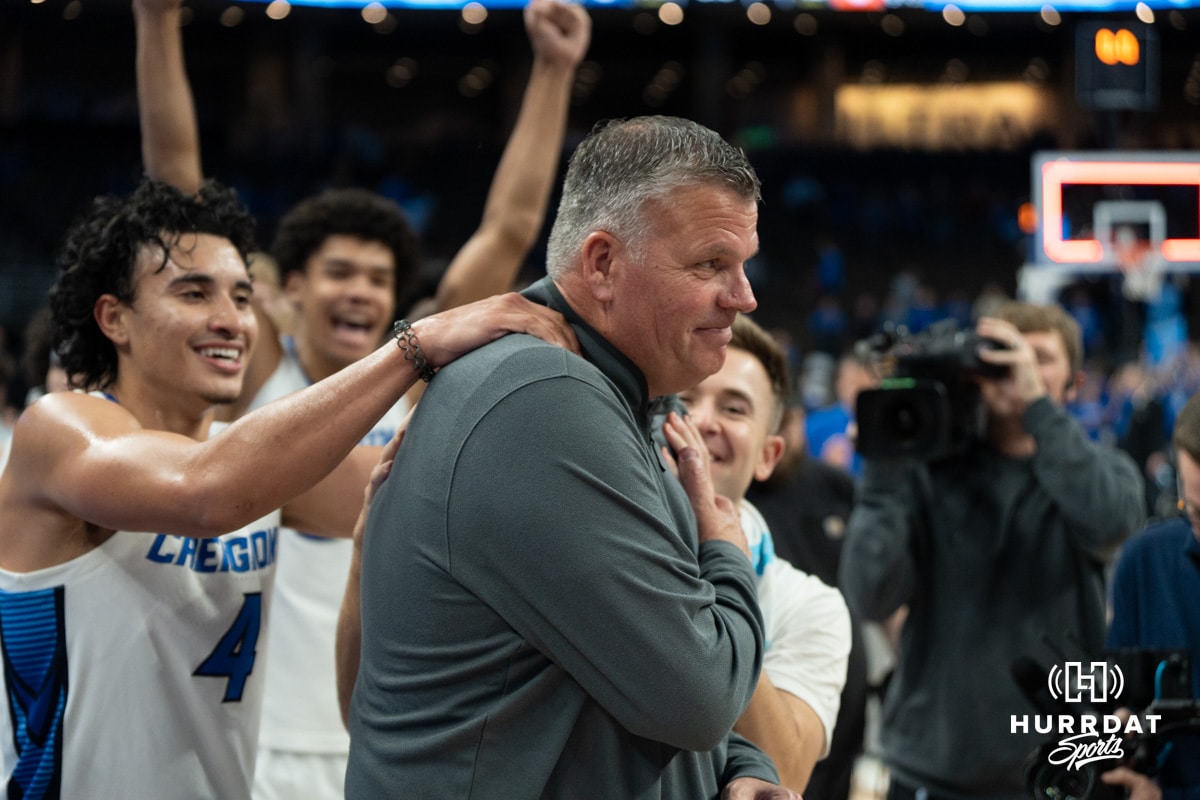
But that’s not McDermott, he reaches out, gives me a one-armed bear hug and asks, “How are you doing?” It wasn’t the casual, “Hey, how are you doing?” When I responded “I’m doing good.” he asked again, “Really, how are you doing?”
Years ago, after a job change, McDermott was one of the first ones to reach out and make sure I was OK. It wasn’t just him; it was his entire coaching staff, which is the kind of consistent leader he is.
That’s McDermott, a genuine person who cares about people and relationships.
What I believe to be the reason for his retirement is this: McDermott fosters transformational relationships. They aren’t transactional ones. He builds genuine connections with his players and peers alike. Just look down the road at one of the Bluejays’ biggest rivals and their coach, Fred Hoiberg.
“As good a basketball coach as he is, he’s a better person,” Hoiberg said on Monday as he prepares for his team to face Iowa in its first-ever Sweet 16 appearance. “People see the competitiveness, and you want to go out there and win every battle, but at the end of the day, this is a small fraternity, this coaching profession. To be able to have somebody like Mac, who went through something with Doug, and now I’m going through it with Sam, it’s special. And you can talk about those things with him. I coached Doug with the Bulls. I loved coaching Doug. He was awesome, and a lot of that was because of his upbringing with Greg and Theresa.”
If you haven’t paid attention, college basketball has changed and coaches who aren’t transactional are walking away. McDermott, unlike many in the industry, truly values the relationships he has and the ability to transform others’ lives.
McDermott is competitive and wants to win. After all, he leaves Creighton as the program’s all-time winningest coach. That is why the program reached new heights on the basketball court in McDermott’s 16 years.
However, as good as he is on the white board, it’s his transformational, not transactional, relationships that have been the catalyst for the Bluejays’ success, and he will be missed.